Netgear Routers Hailed as Dangerous – Here are some alternatives worth considering
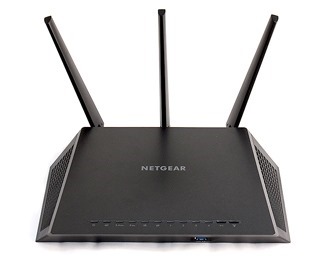 CERT, a US Federal government agency tasked with cyber-security research, has issued an alert advising consumers to stop using various models of Netgear routers. These devices are subject to a trivially simple command injection exploit. Ars Technica has a nice overview of the matter.
Normally I’d have literally nothing to say about this, since it simply doesn’t impact us. Wanna know why it doesn’t impact us?
We don’t use a consumer router that runs closed source firmware. We don’t think that you should either. In fact, you probably shouldn’t let your friends and family use that junk either.
Perhaps this holiday season, and all of the travelling & visiting that goes along with it, presents an opportunity to help someone unsuspecting secure their home network.
 Earlier this year
  You surely have a lock on your front door. Do you have such a lock on your network? Though you may think so, but it may well be wholly unlocked. Or at least, you may not be able to know for certain that it’s locked. If you use a commercial Wi-Fi router from your ISP, or one of the big names like
  Most people think that Wifi is awesome. It certainly is convenient, but I’ll let you in on a little secret. No matter how freaky your Wifi router looks….
 For the past few weeks I’ve been thinking about the Comcast issued